What Does Remembrance Day Mean for the Antigonish Legion?
/
“The poppy is a symbol of remembrance, it means everything, and you wear it with pride, and when you wear it you think about the people you fought with.”
Read MoreStFX's official source for student news since 1895
“The poppy is a symbol of remembrance, it means everything, and you wear it with pride, and when you wear it you think about the people you fought with.”
Read MoreRemembrance Day is so engrained in Canadian culture that it runs the risk of becoming routine. While the core spirit of the holiday – remembering veterans and reflecting on Canada’s involvement in wars – remains, is Remembrance Day more of a symbol than an impactful, solemn event as it is intended to be?
Being in a history class, I decided to ask some of my classmates to write down anything they knew about the poppy – where it came from, what it represents, anything. I was curious to see if StFX students who take history classes at a 200+ level would know more than the basics. Among the 8 students I surveyed, there were a few common things mentioned. Seven of the eight surveyed mentioned the poem In Flanders Fields (with two mentioning the author’s name, John McCrae). Special mention of the First and Second World Wars was the second most common thing to mention, with six students referencing it. Besides these two, everything else was pretty scattered. Many answers were unique; referencing the Canadian Legion, the commonwealth, generic “battlefields” and “remembering the past”, and only two students had things to say about the history of the poppy itself. This information was exclusively tied to the evolution of the poppy’s appearance, and the do’s and don’ts of how poppies should be worn.
Honestly, this was about what I expected. In Flanders Fields is such a ubiquitous part of Remembrance Day culture. Not only is it common to memorize the poem in grade school, but it’s also used in song form during some Remembrance Day ceremonies. Knowing about the World Wars should also be a given. Besides this, student answers about the poppy varied.
If a class of mostly history students had overwhelmingly basic offhand knowledge about poppies and November 11th in general, does that mean students who aren’t engaging with history (especially Canadian history) would be even less aware? It’s hard to tell. I’m not sure if spouting ‘fun facts’ about a holiday based around remembering war is all that important.
Something that makes Canada’s Remembrance Day unique is the speed in which it all got started. Founded as a special day in 1921, Canadians were among the first to engage with war in a way that involved living memory. We were rapidly involved in setting up memorials and remembrance ceremonies. Is there a bias against updating anything to do with Remembrance Day today? I’d say that the negative reaction is there. The White Poppy has routinely been a controversial idea; created to be a symbol of pacifism, the White Poppy often incites negative reaction from people who automatically assume that this alternative is meant to replace the Red Poppy. While some people do use this poppy, it looks like it won’t become mainstream for a long time, if ever.
Poppies, In Flanders Fields, the Legion, and ceremonies are the common traits of November 11th, but beyond all of this, isn’t the emotional reaction you get from this holiday the thing that’s the most important? A lot of people have ties to veterans, whether they knew their veteran relatives or not. Taking off the “world war” lens, we have so many other war-related things to be including in our cultural memory. The Korean war, the Gulf war, the Afghanistan War, and Canada’s involvement in peacekeeping missions are certainly included in Veteran’s Affairs Canada’s official Remembrance Day information. I believe that among the general public, the focus is overwhelmingly on WWI/WWII. It’s not bad by any means to focus on these catastrophic events in world history, but with more and more veterans from the world wars passing away, maybe a heightened focus on Canada’s modern and
ongoing military engagements would be beneficial. Bringing awareness to younger people who might not have any living relative who interacted with “wartime Canada” in the WWI/WWII sense could create further inclusion for those currently serving in the Forces and perhaps revitalize the ceremonies and bring forth the concept of living remembrance.
“For some StFX students, the question surrounding X-Ring is not just about what colour or face size to buy. It is whether they can justify buying one at all.
Photo provided by StFX
“While questions about the effects of data centers on environment and human lives are important questions to ask, they risk turning our gaze away from the colonialist circumstances that allow for this project to exist.”
Image provided by burnoutfromhumans.net
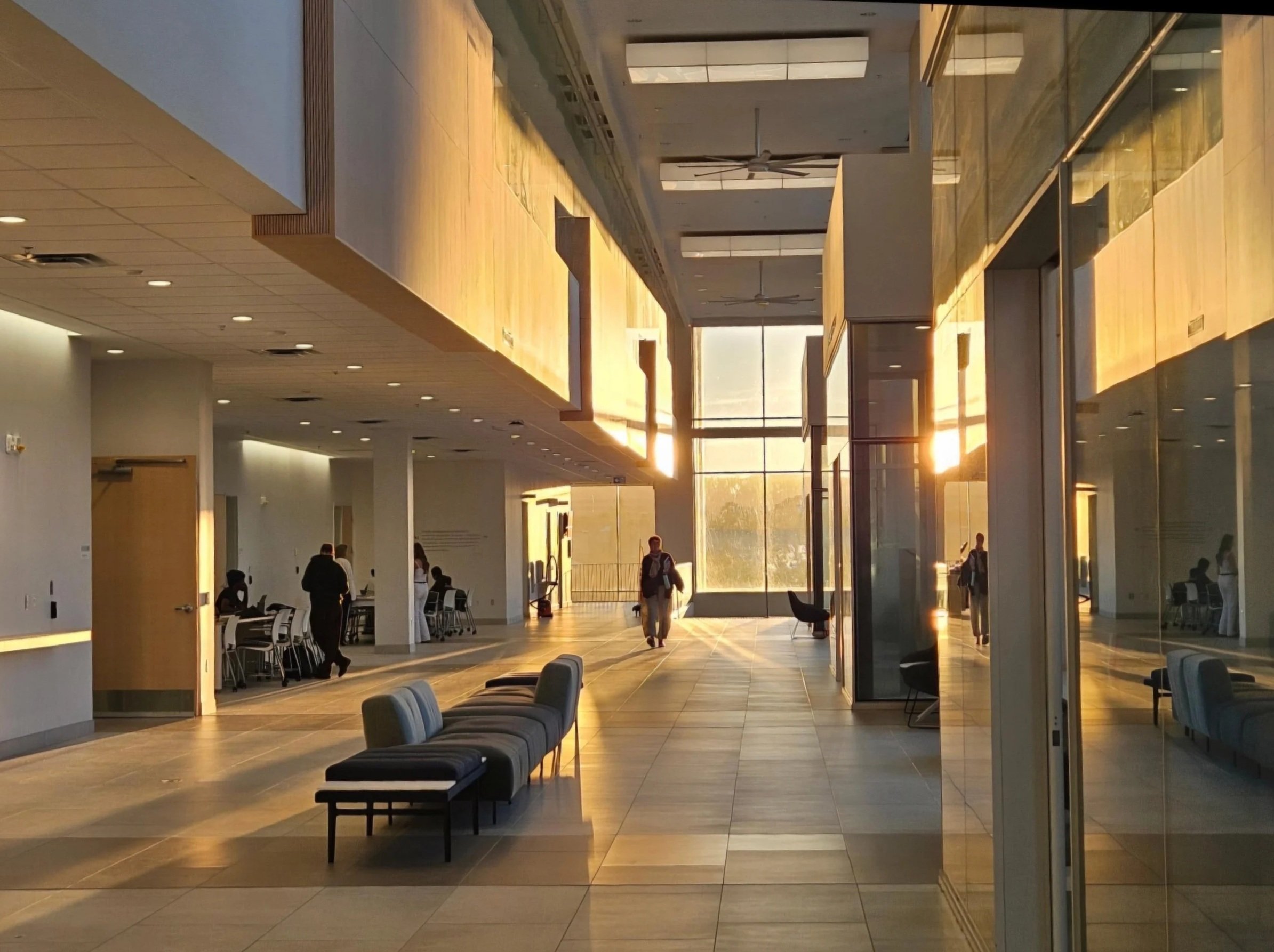
“Campus is quiet, there’s no one out and about, but you are itching to get out of your room and do something.”
Photo provided by Dakota Gillis
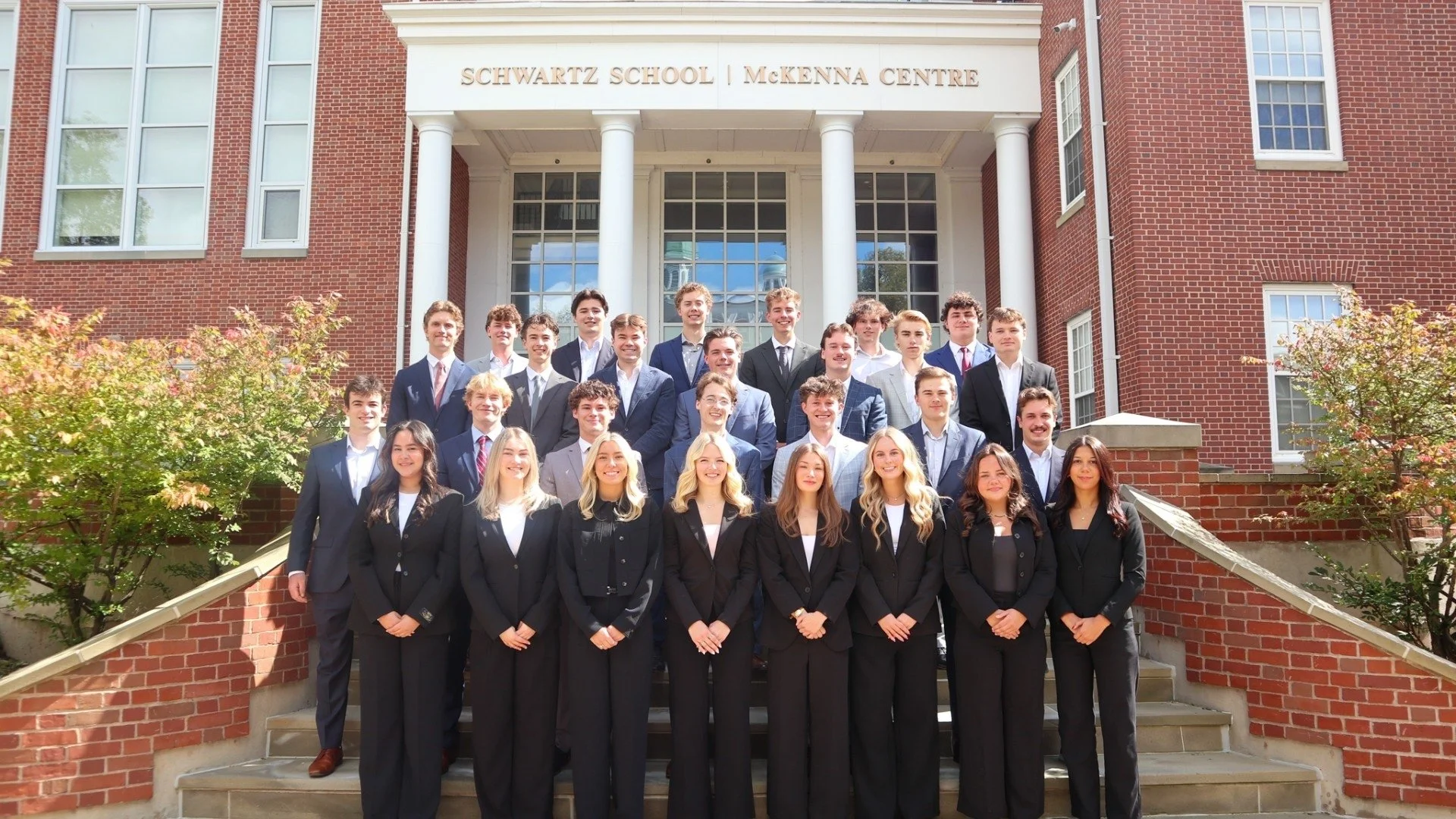
“Xaverian Capital has reached a major milestone, surpassing $1 million in assets under management and marking a significant achievement for the student-run investment fund at StFX.”
Photo provided by Xaverian Capital
“StFx students deserve to have safe spaces around campus and town where they feel can get away from the weight of everyday life.”
Photo provided by Finch Marchand
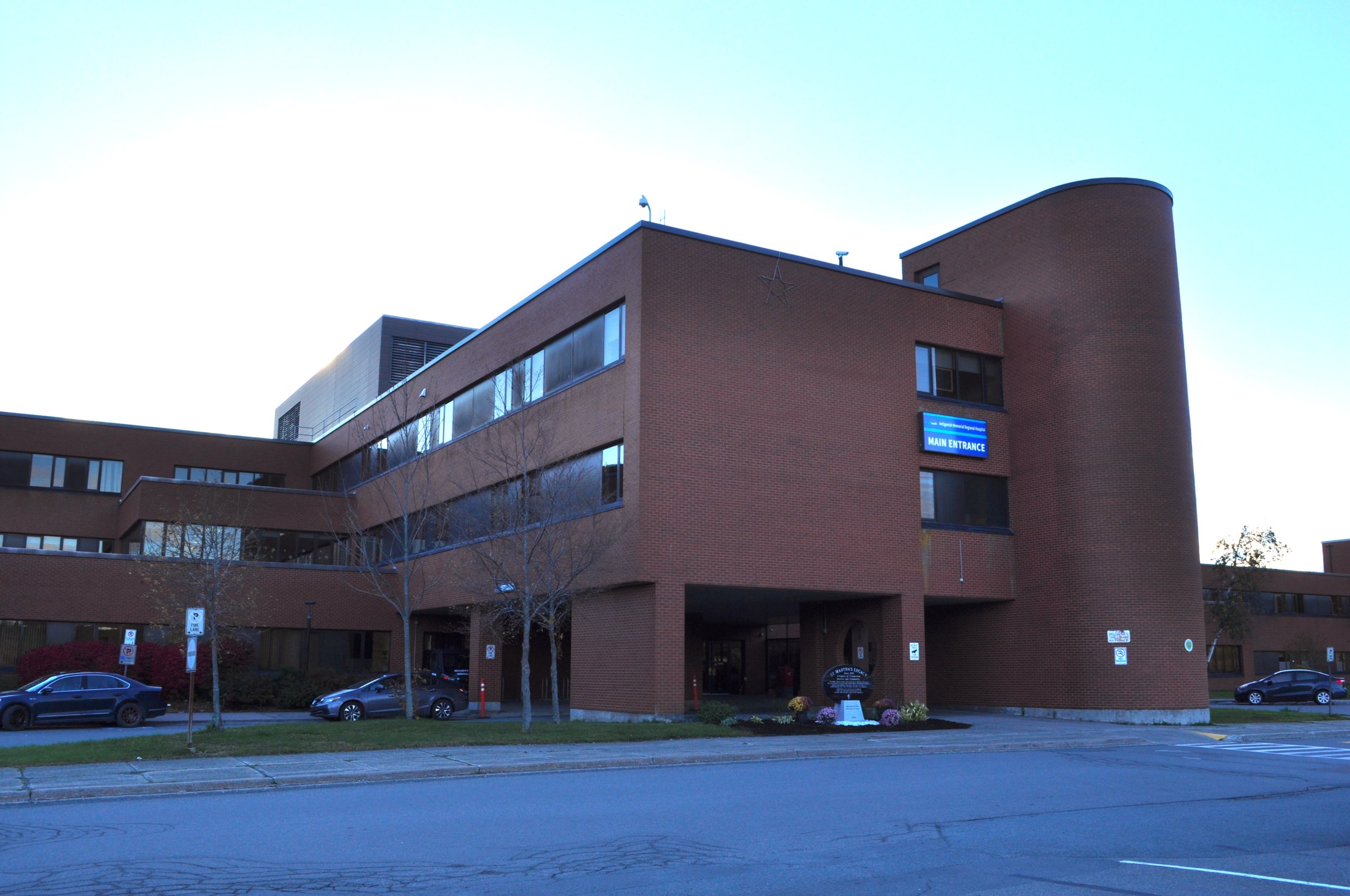
“After 120 years of dedicated service, the Sisters of St. Martha's involvement at our local hospital concluded earlier this month when St. Martha’s Regional Hospital was renamed Antigonish Memorial Regional Hospital. “
Photo provided by Emrys Hamill
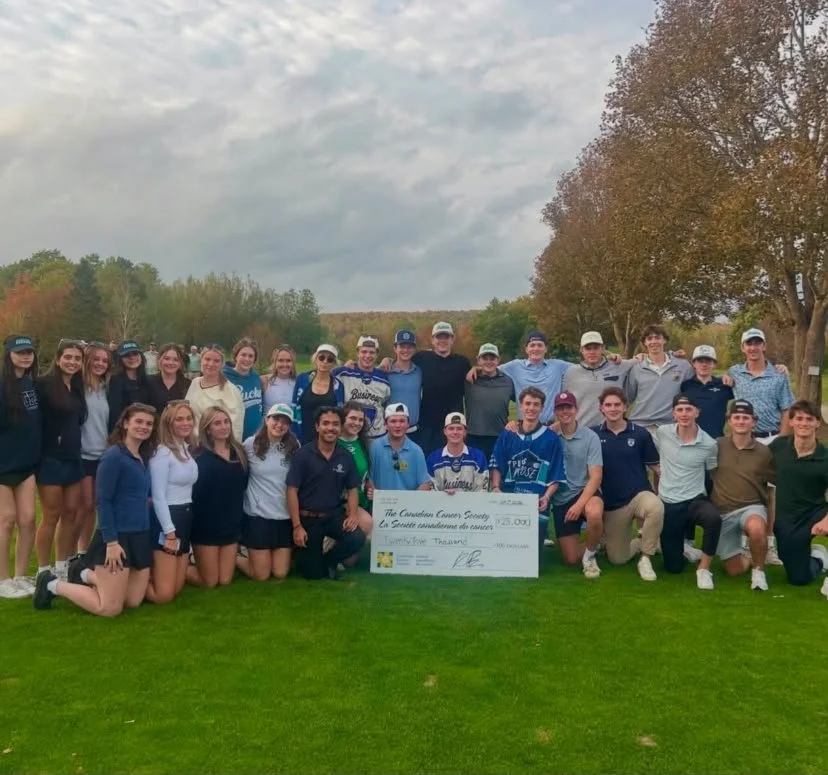
“What began as an idea among a group of StFX students, has grown into a yearly tradition that makes a lasting impact on the community.”
Photo provided by Ainsley McDonell
“Like most women, since I stepped foot on a university campus three years ago, I have heard countless stories of women being raped, drugged, or losing their bodily autonomy. Yet, the repercussions are incredibly small. “
Photo provided by Madeleine Kemp
“That same day, a post was made by a community member on Threads expressing concern and disgust about a banner hanging from a second-story window on an off-campus house. The banner read: “Drop-Off Zone: Acadia Girlfriends.’”
Photo provided by Maddie Dooks via Facebook
What does remembrance day mean to Canadians.
Read More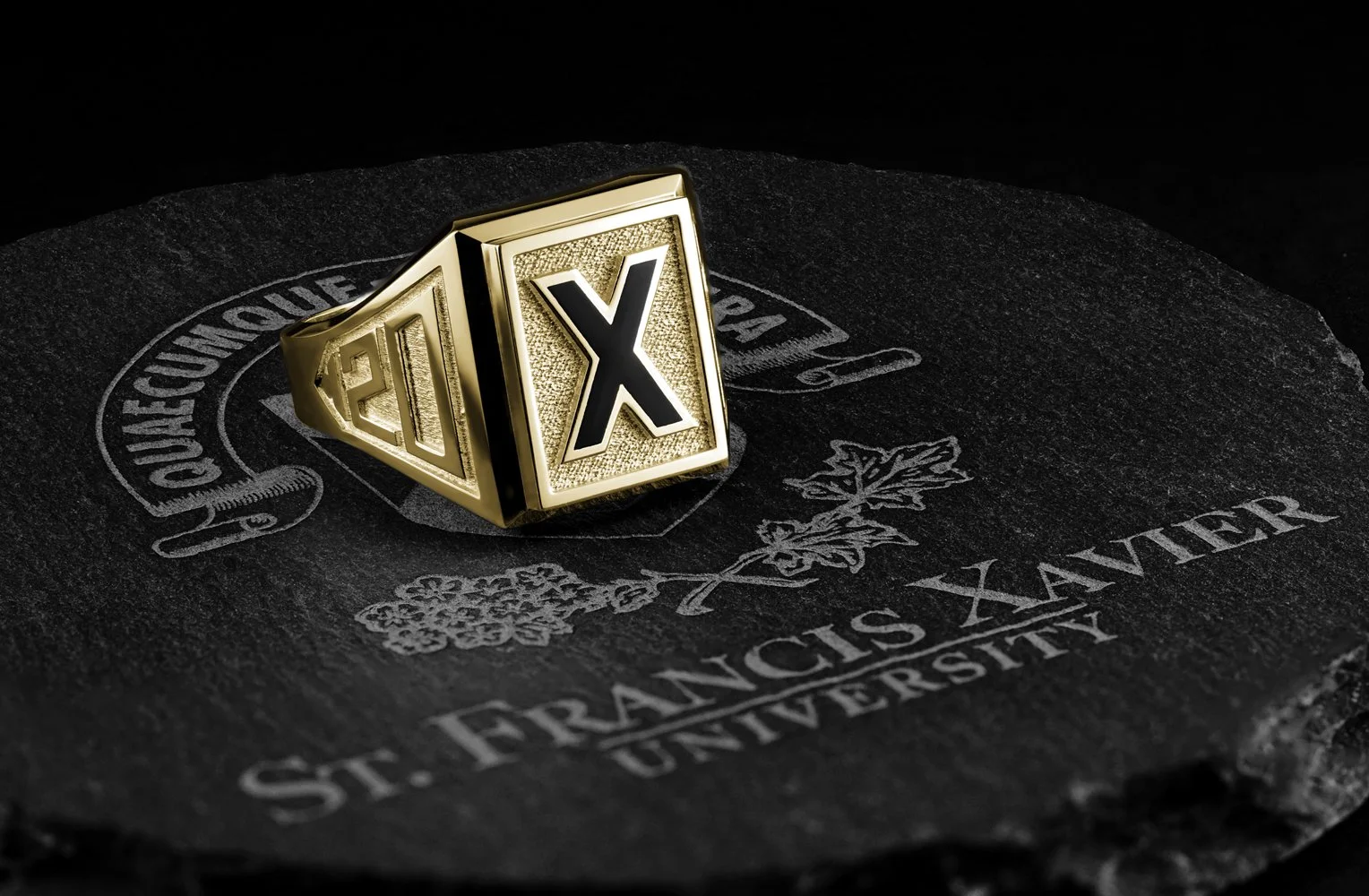





'“Sovereignty movements are intended to strengthen provinces, but what we see in reality is discontent.”
Photo provided by thought.co