An Interview with Martha Wilson

Arts & Community Editor Addy Strickland interviewed author Martha Wilson over Zoom on July 16, 2020.

Martha Wilson's short story collection, Nosy White Woman, was recently awarded the Alistair MacLeod Prize for Short Fiction at the 2020 Atlantic Book Awards. The prize was established in 2015 to honour the memory of Alistair MacLeod, a masterful short fiction writer who called Nova Scotia home. Wilson was also a finalist for the New South 2018 fiction prize and runner-up for the 2017 Peter Hinchcliffe fiction prize, and has published work in the New Quarterly, Real Simple, The New York Times, The Japan Times, Kansai Time Out, and the International Herald-Tribune. Nosy White Woman is Wilson’s first published collection of short fiction.

AS: Can you start by telling me a little bit more about you?

MW: I’ve been in Canada for twenty-five years. I’m American, and I feel very grateful and lucky to be in Canada. My husband is from Nova Scotia. We were in Toronto for ten years and moved back to Nova Scotia when our children were small, so my children have grown up in the country, in rural Nova Scotia, which has been a wonderful experience for them. I’ve really appreciated having the chance to have lived, as a younger adult, in a big city, and then as a mom in the country. I read a lot, though especially during this pandemic it’s harder for me to read a book than it used to be. And I do read Twitter a lot. Like, way, way too much. I especially read political Twitter, and since I still vote in the United States, I follow a lot of Washington journalists and track U.S. political news pretty closely. That takes up a lot of my attention, and I don’t know a lot of Americans here in Nova Scotia who are as focused on it as I am. It can be a little bit isolating, since my family doesn’t want to hear about it. That’s probably my big “hobby” —following U.S. politics.

 AS: Can you also tell me about your journey as an author?

 MW: I always knew I wanted to write, so it was really so satisfying to have published this book. It took me twenty years to complete it, and in finishing the book, I realized that I was able to finish it and publish it because my mother had died. She died in the spring about five years ago, and in the summer, I signed up for the Humber distance writing course, and I thought, “I’ll finish this short story collection.” I worked on it for a year and then started the publication process, with literary press Biblioasis. We were well into the editing of it before it dawned on me that I’d been able to write it because my mother was gone. I was really surprised by that. Not by not having been able to finish it, but by the opacity of that process—that I did not realize what was going on for months and months, even though I was really engaging with the stories and the publishing process. So I’m very interested that things that can be so apparent in retrospect can be so invisible at the time. It’s not that I thought the stories would be painful for my mom, or too specific—my mom’s not in the book—but it was just too close while my parents were still around.


 AS: Did you go into writing these stories with the intention of publishing a collection?

 MW: No, but I've always loved short stories, and for years and years I subscribed to Harper's and The Atlantic. Those two were monthlies. The New Yorker obviously has amazing fiction, but it comes every week. I could never finish a New Yorker before there's another one dropped through the mail slot; they just come all the time. The Atlantic and Harper's, during my twenties and most of my thirties, were publishing one story a month each; it was the perfect amount. It was as if the fiction was titrated at a dose to perfectly match the attention and thought I would give it over the course of the month. A novel, you choose it yourself: you go to the bookstore, you order something; or you like a writer, so you buy their book. With the short stories in monthly magazines, it's like they're assigned to you. They just arrive. That had a really big impact on how important short fiction became to me. I still remember a lot of those stories that I read when I was a young adult. I remember them with great clarity. It's something that has nearly disappeared from public life during my adulthood, and that makes me sad. (But it's okay; we didn't have Twitter then.)

 AS: For people who are interested in reading Nosy White Woman, can you give us an idea of what to expect?

MW: Because I'm so interested in politics, there's a lot of that; I'm extremely interested in the effects of policy on our daily lives. I'm always telling my daughters who are teenagers that policy is more important than anything else. At the same time, that’s not exactly what the stories are about. They're about families, they're about adult children, they're about marriages, they're about fear and worry and happiness. They're a lot about privacy, and the fact that we all have that private internal life that’s separate from the life that even our most intimate family members see.

Most of my stories are not about race, but I was very conscious about not having whiteness as the default. The title story is about police brutality, especially against men of colour in the United States.

IMG_1101.jpeg

 AS: Can you talk to me a bit about the book’s title? Why did you decide to call it Nosy White Woman?

MW: At Biblioasis, Dan Wells (who established the press), suggested it. Fiction editor John Metcalf and I had “The Golden Bra” as the title story, and Dan said to me, what would you think of changing it, making “Nosy White Woman” the title story, because that's really more reflective of your interest in policy and politics and societal issues, and how those play out in our daily lives. And I agreed. I'm not sure of the date; I think it was probably fall of 2018, but one thing that I talked about in “Nosy White Woman” was that we had seen on YouTube and on social media the deaths of Philando Castile, of Freddie Gray, and several African American men shot by the police, for not-valid reasons. It became clearer and clearer over the years I was working on these stories that my experience with the police in the United States is a completely separate reality from the reality that a lot of people have. I've been shocked to come to understand how different those are, and that's the reckoning that white people are coming to. We've really seen that this summer with how white people regard the Black Lives Matter movement: the belief that white Americans have in the validity of that movement has just skyrocketed over the summer.

AS: What do you hope that people take away from reading this collection?

MW: Even though I talk so much about politics, and it sounds like that's all I write about, that's not it at all. One of my early readers, Catherine Newman, called the book “gloomy and hilarious.” I really love that description, and asked the publisher if we could put that on the front—it's my favourite tagline. So I guess I couldn't imagine a better way for my book to be described.

AS: You were recently awarded the Alistair MacLeod Prize for Short Fiction for this collection. What does receiving this prize mean to you?

MW: It was very exciting. It was encouraging and gratifying to be linked with such an admired name in Canadian fiction, someone so beloved. That was a lovely thing. I also thought it said that my book is in some way speaking to this moment. This particular summer, at least. Especially in the United States, white people are learning more about white privilege, which is one of the most important ways our society is going to move forward.

AS: You’ve lived in Nova Scotia for the last 15 years, and before that, you lived in Toronto after coming from the United States. Has living here, or moving here, impacted your writing?

MW: Yes. It brought me back to my childhood, because I grew up in a small town. I live near Windsor, Nova Scotia, and it's very much like the town in Georgia I grew up in. One of the things I wrote about in what's probably one of my favourite stories, “Midway,” is how small towns used to be much more rural. Talking about when the protagonist is growing up, I wrote, “Since we lived in a town, I thought that was my identity: town person. Now I can see how newly scratched in the dirt that life was, how essentially rural it remained. How all of that held me.” That's something that I've really gotten back in touch with since moving to Nova Scotia 15 years ago. I grew up in a small town but it was really like the country. So many of the people I went to school with were farm kids, and we had FFA—Future Farmers of America; we had 4H. Many of the kids I knew a raised chickens, and the boys would be driving tractors after school and on the weekends. That was the life I was familiar with. Moving back to Nova Scotia has reignited those memories, because that way of making a living is still so apparent here, in ways I never saw in Toronto.

 It's really important to honour that lifestyle and not look down on it a second-best. My younger daughter is dying to get out of Nova Scotia. She has very specific plans to go to university in either Toronto or Montreal, and she is out of here the day she gets that high school diploma. Which is fine, obviously. But it's important that we not fall into a trap of believing cities are somehow cooler, or a better way to live.

AS: What can the world expect next from Martha Wilson? Are you working on anything new?

MW: I'm working on a new short fiction collection. A lot of it is about working in a church. Church life really fascinates me, especially the behind the scenes of church life that isn't about attending church, but about the church office. That's something I'm working on now.


The Antigonight Art After Dark Festival Looks Forward to an Eleventh Year

The Antigonight Art After Dark festival is looking forward to its eleventh year despite challenges posed by COVID-19, and they’re looking for artists to help make it happen! 

For those who’ve visited the festival in the past, they’ll know it for it’s vibrant, colourful, and energetic takeover of the town’s streets, parking lots, and sidewalks—featuring dozens of different artists and performers in various genres. Typically centered in the connection and interaction between artists and members of the community, with last year’s attendance estimated at 3,000 people, this year’s festival may look a little bit different than what visitors are used to. Connecting with the arts, however, is more important than ever. Festival Director Emma MacDonald believes that “art is integral to who we are” and that even though we’re living through some fairly unprecedented times, there’s no better way to connect then through creativity.

Despite new regulations regarding social gatherings, MacDonald is excited about the possibilities that a socially-distanced event might allow, sharing that just because the festival might not look like what we’re used to “does not mean that it will be any less special.” She shared that “by creating an alternative festival plan we are not only supporting creative professionals in our community, but it may also be a bright spot for the community in the coming months.” A distanced festival also brings about new opportunities to engage community members who might live farther away. 

The festival organizing team is inviting artists, collectives, and community organizations to submit original project ideas that celebrate and consider ways that we can encounter art and be connected even if we cannot gather in-person. Previous projects have including music, dance performances, painting, sculpture, workshops, storytelling, and theatre. All submissions are welcome, whether digital or non-digital, and unconventional ideas are encouraged. The deadline for submissions is Friday, June 26 at midnight. The submission form and relevant instructions can be found here, on the Antigonish Culture Alive website.

 Successful submissions will be presented, performed, installed, or displayed during the Antigonight festival from September 1 to 12, 2020. Leading up to the festival, Antigonight will also be running several community projects, so keep an eye out for the announcements on any ACA or Antigonight social media!


Robyn Maynard: Black Life, Black Liberation and the Climate Crisis

Robyn Maynard: Black Life, Black Liberation and the Climate Crisis

“This is the world that white supremacy and industrial capitalism built.”

On Monday, January 6, 2020, Robyn Maynard’s lecture Black Life, Black Liberation and the Climate Crisis argued the point above by insisting on an expansion of where we see anti-blackness and violence in the context of the climate crisis.

Read More

Shifting Fatherhood and the Resettlement Realities of Syrian Fathers Living in Canada

Shifting Fatherhood and the Resettlement Realities of Syrian Fathers Living in Canada

Syrian families who have come to Canada face challenges adjusting to a new home and a new country. Adnan Al Mhamied, a McGill doctoral student and Syrian immigrant, is studying the resettlement realities facing these family units with a focus on the fathers.

Read More

‘Unapologetically BLACK’ Art Exhibit Opens at Bloomfield Art Gallery

‘Unapologetically BLACK’ Art Exhibit Opens at Bloomfield Art Gallery

Unapologetically BLACK’ Honouring the Black Identity is an art project conceived by Kelsey Jones, StFX African Descent Student Affairs Coordinator, and StFX Art Gallery Director Dr. Andrea Terry.

Read More

Community Arts Mixer a Resounding Success

Community Arts Mixer a Resounding Success

On Thursday, January 23, 2020, Antigonish Culture Alive, All-of-Us Society for Art Presentation, and Antigonight Art After Dark festival came together to hold an arts mixer at the Tall and Small café.

Read More

CFXU Welcomes On the Spot Quartet for Sunday Jazz

CFXU Welcomes On the Spot Quartet for Sunday Jazz

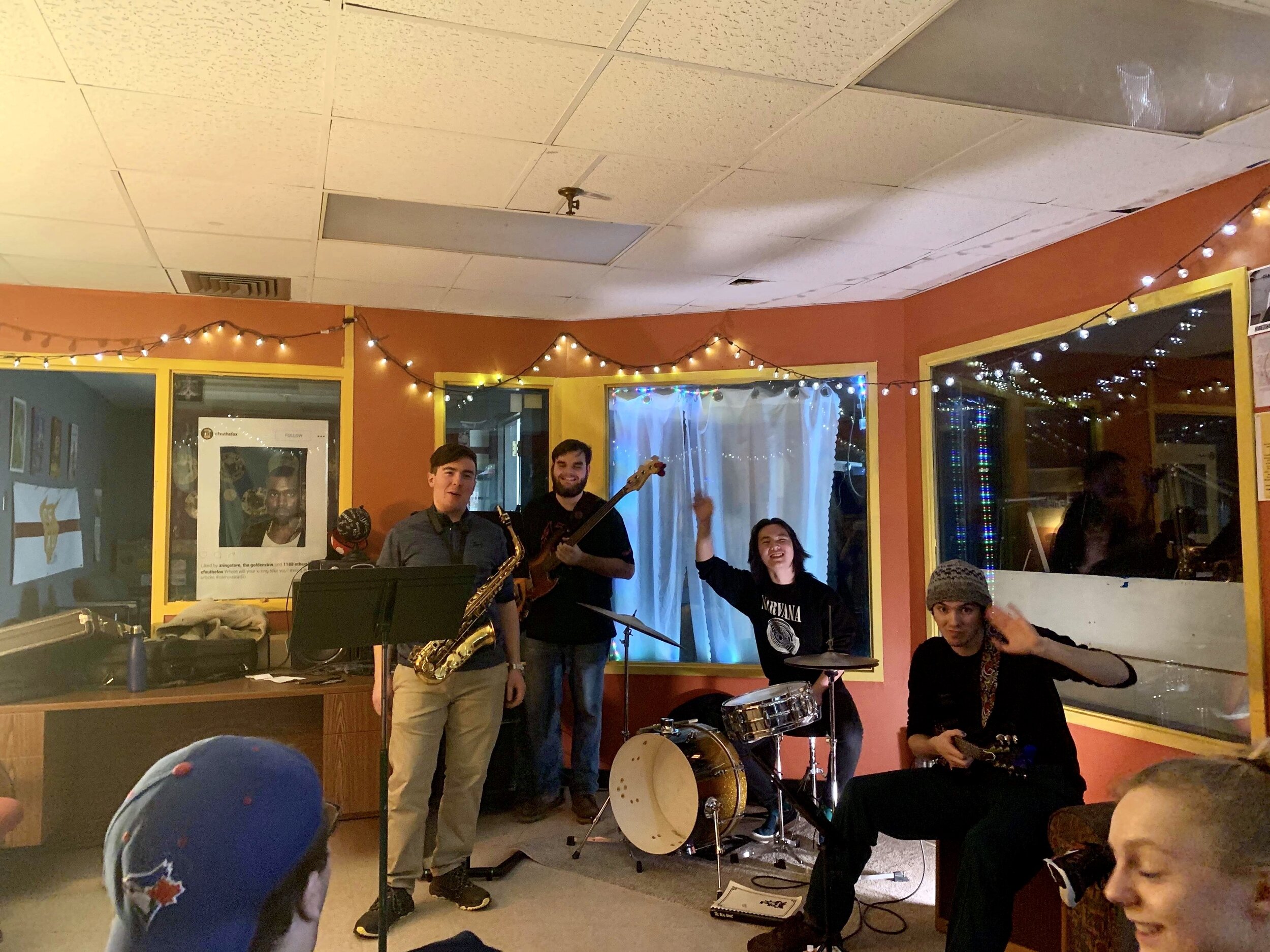
Their music, mostly coming from the Real Book of Jazz, their bible (“If it ain’t from the real book we ain’t playing it”-Robert Grier), is a nice change of pace from the Spotify DJ’D parties the night before.

Read More

‘Unapologetically BLACK’: Honouring the Black Identity

‘Unapologetically BLACK’: Honouring the Black Identity

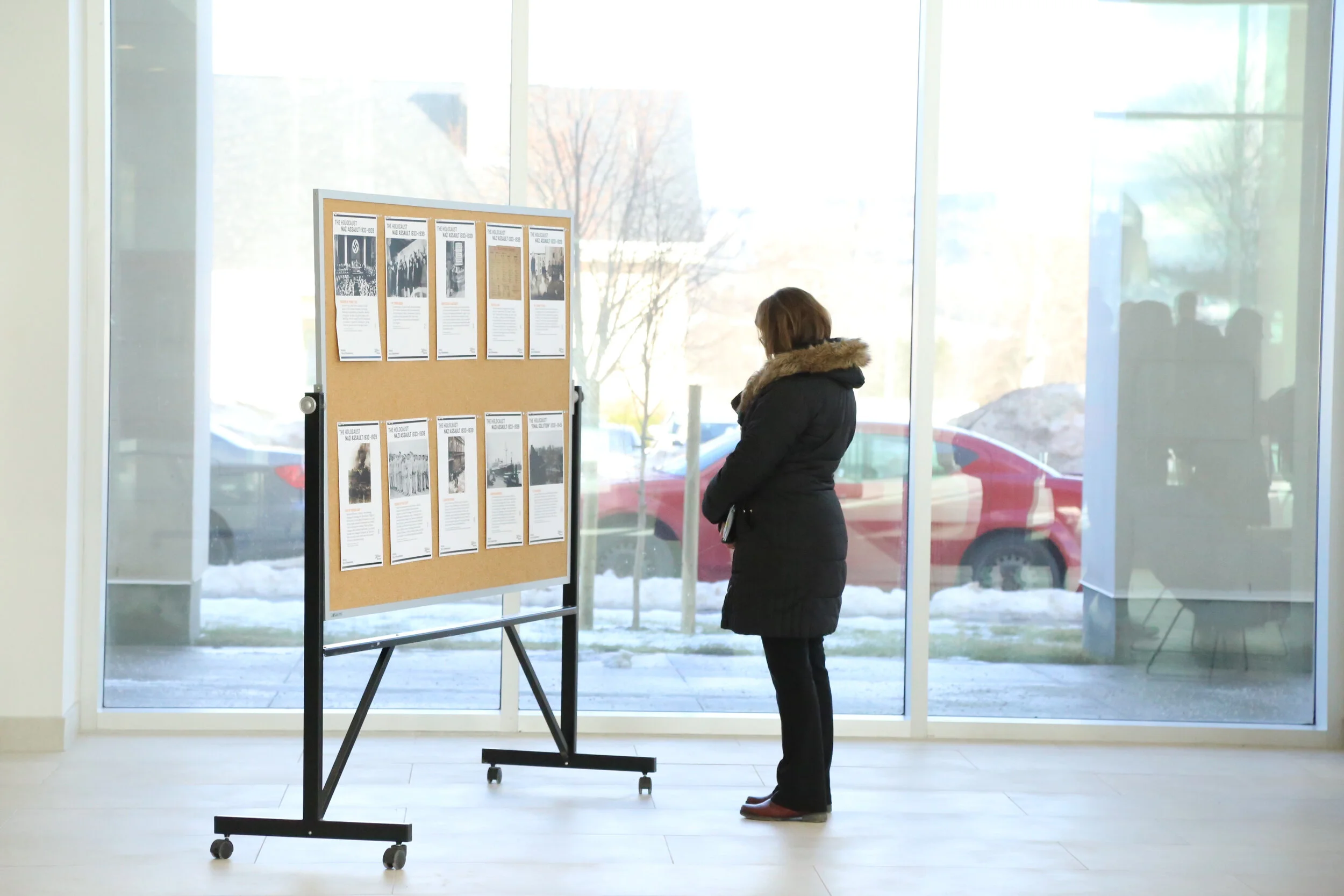
“Unapologetically BLACK”: Honouring the Black Identity will open in the Bloomfield Art Gallery on Thursday, January 30, and run until February 29, with the opening ceremony January 30 from 6 to 8 pm.

Read More

She’s Back! Priscilla, Queen of the Highlands: “Rise of Priscilla”

AS_072.jpg

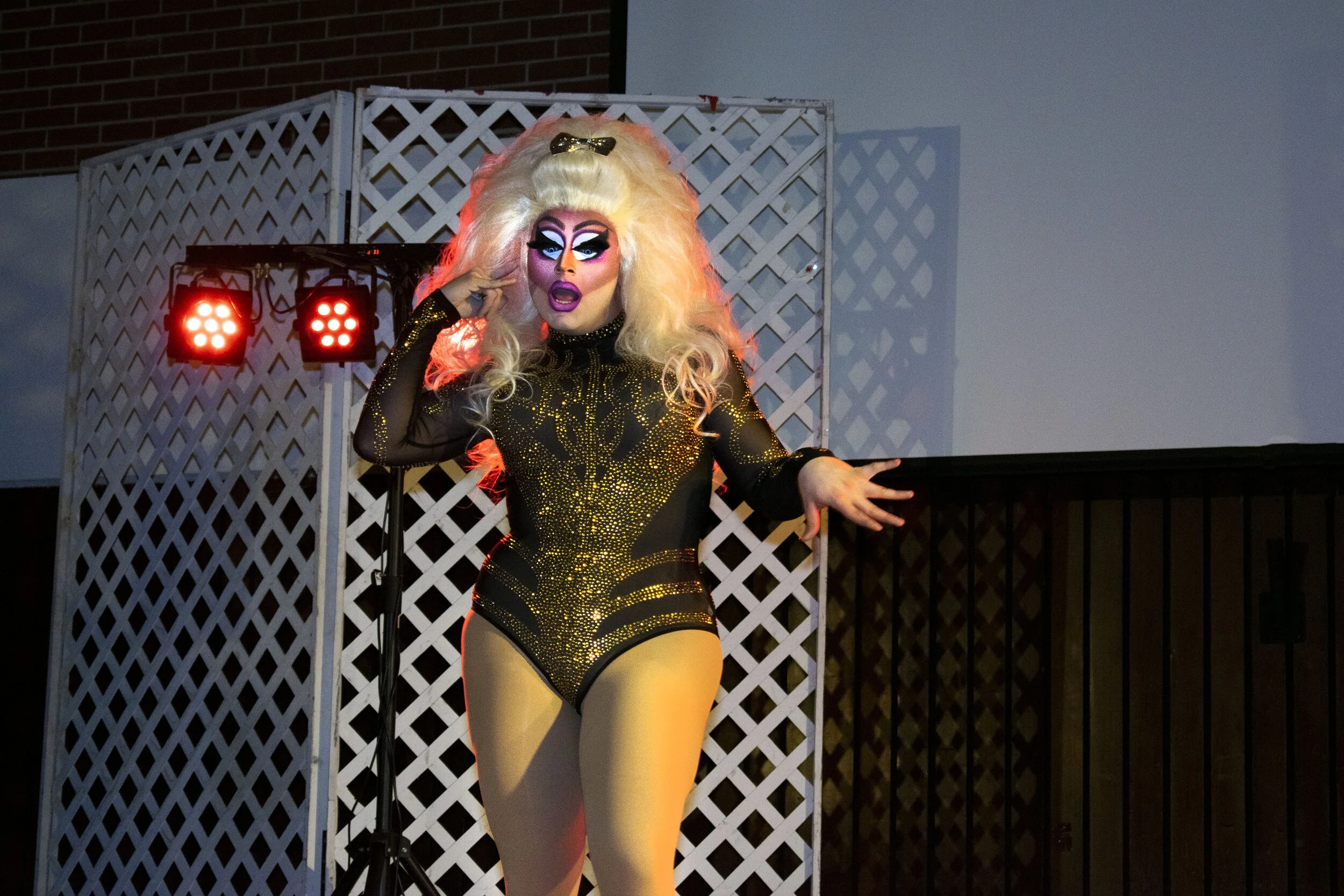
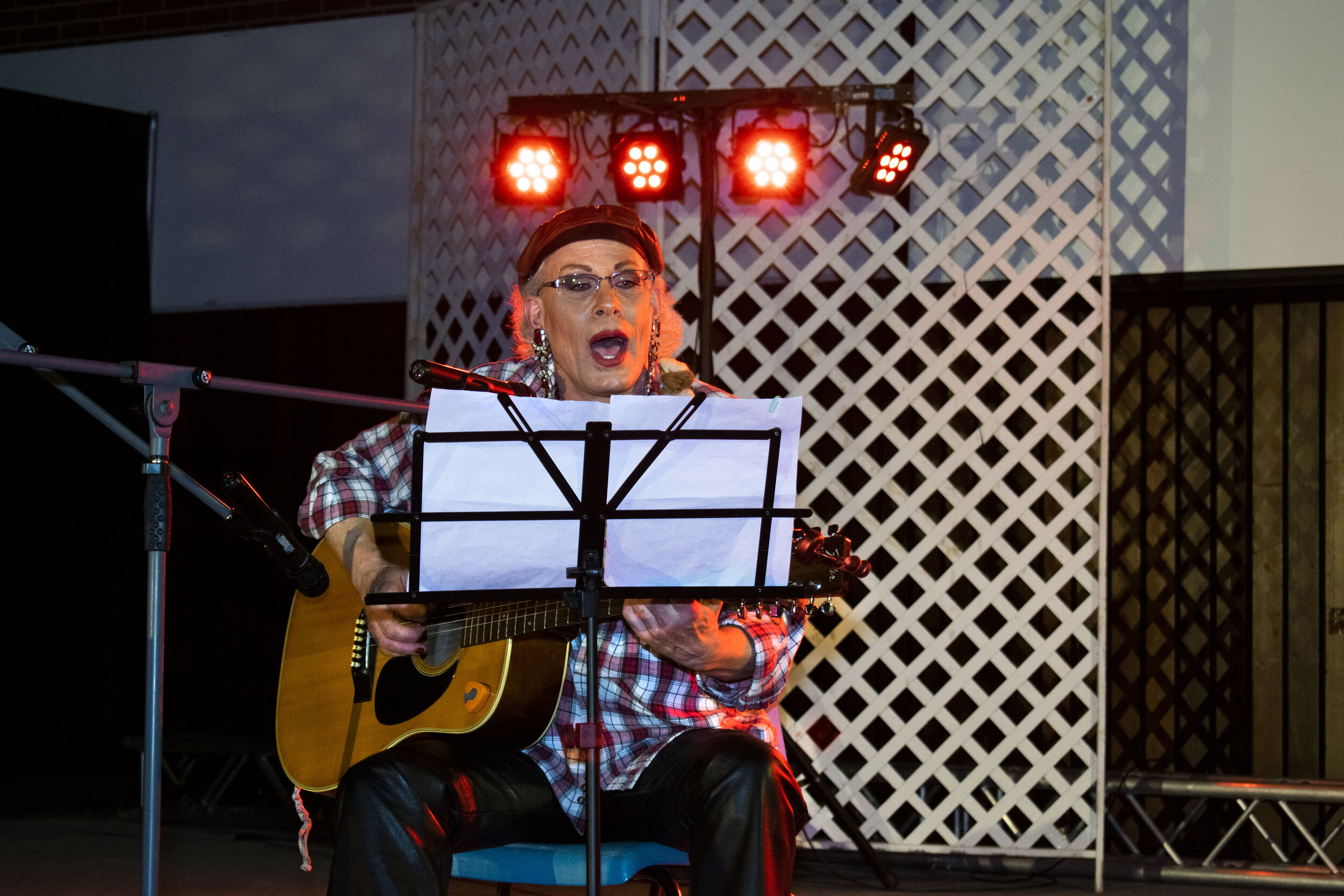
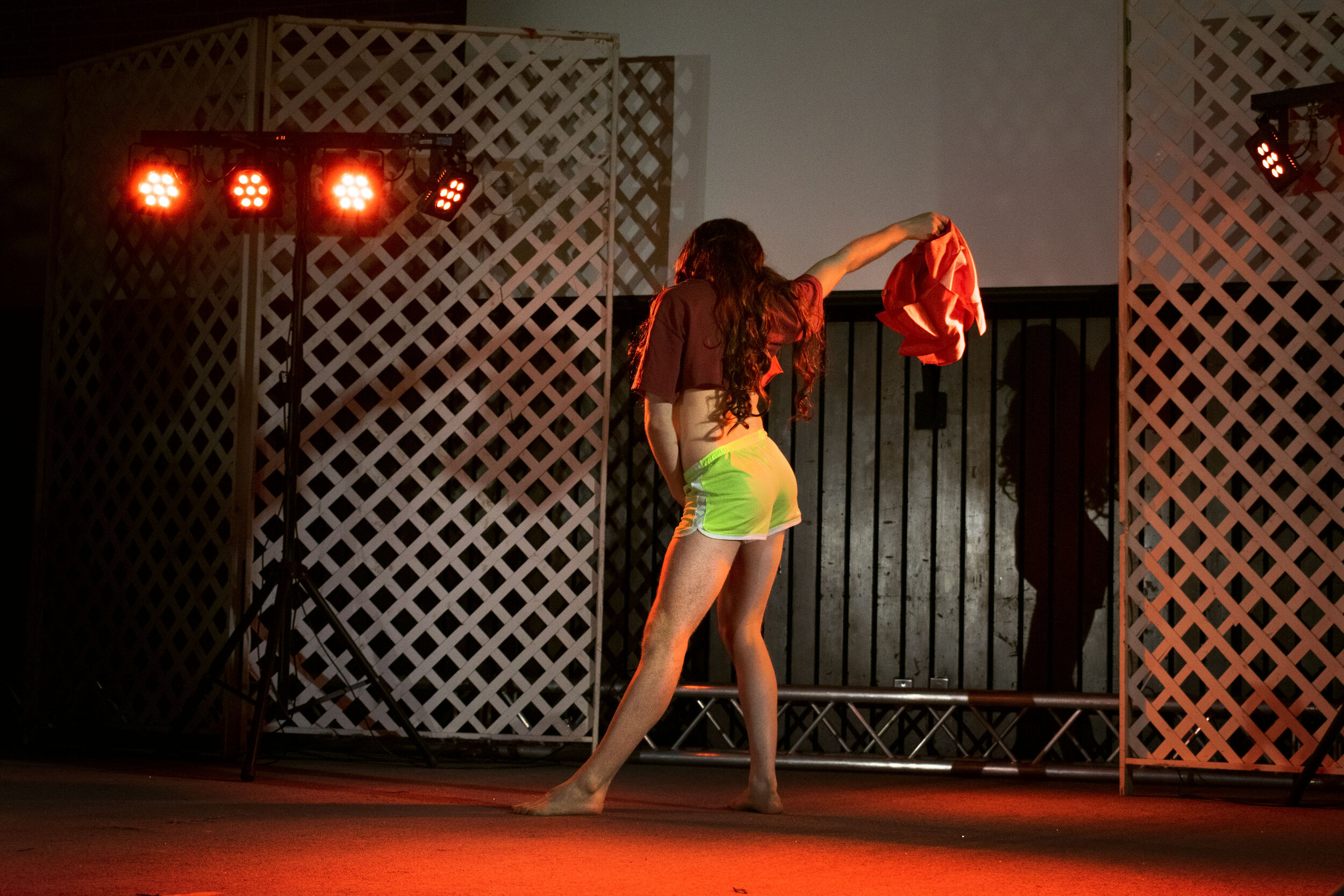
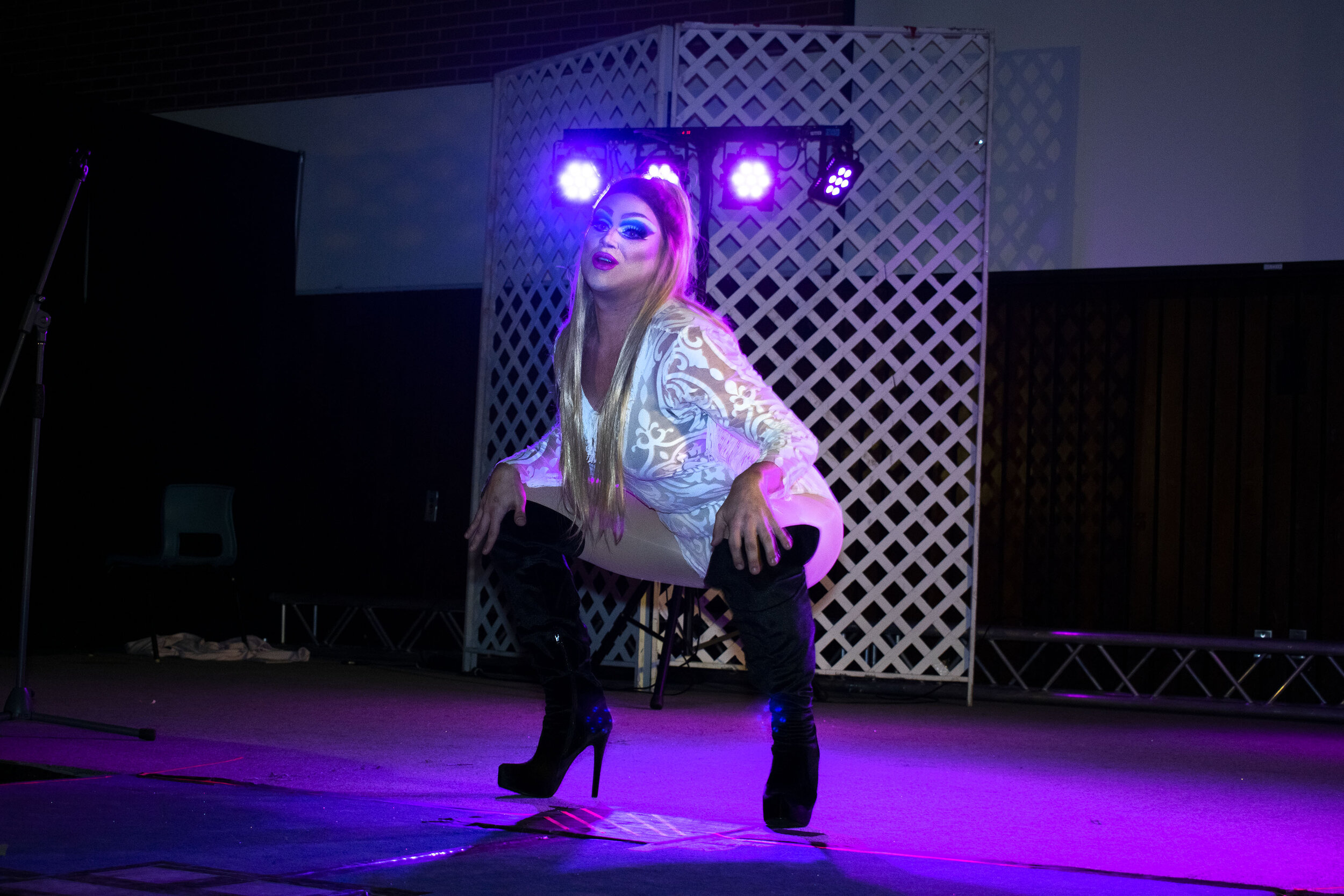
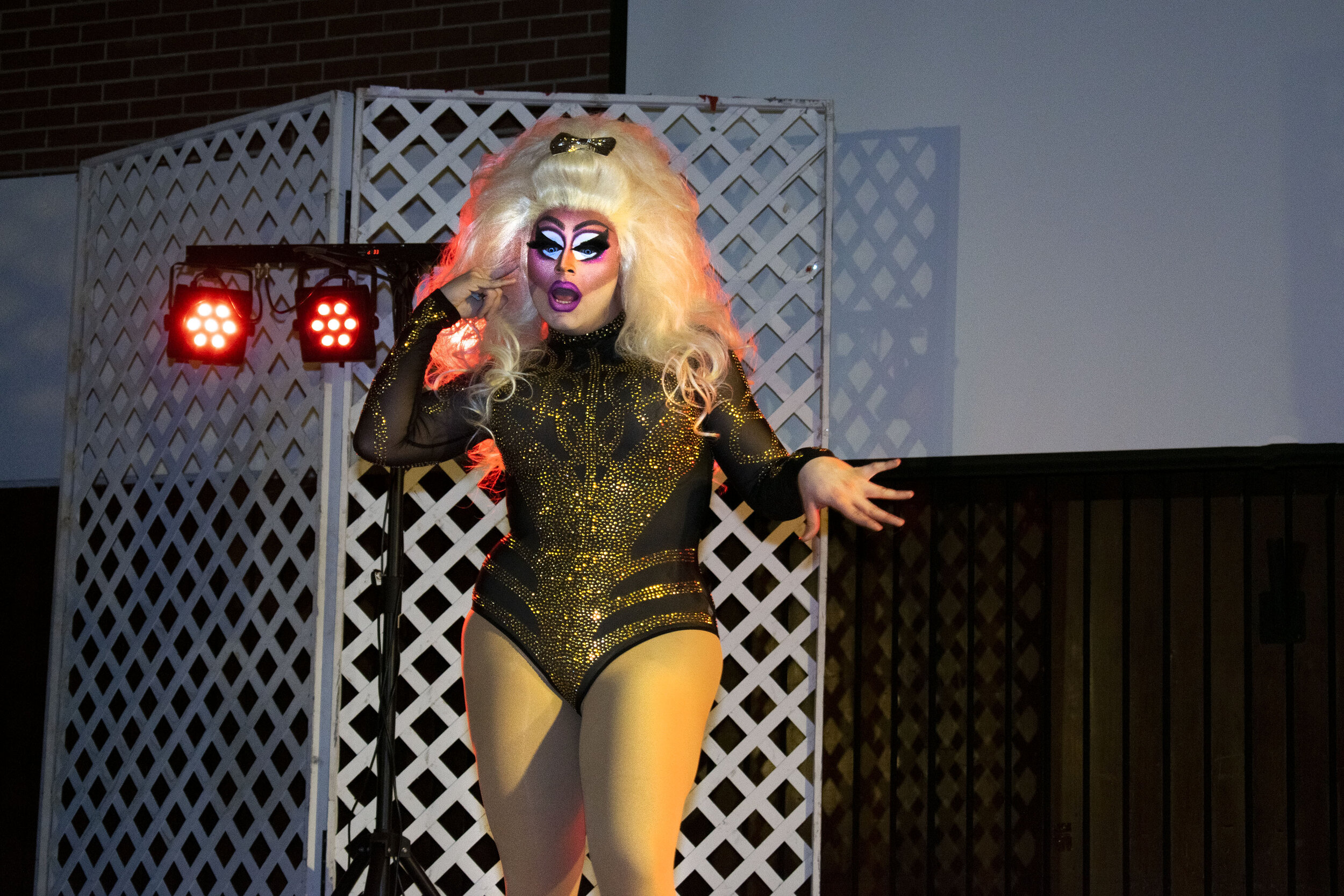
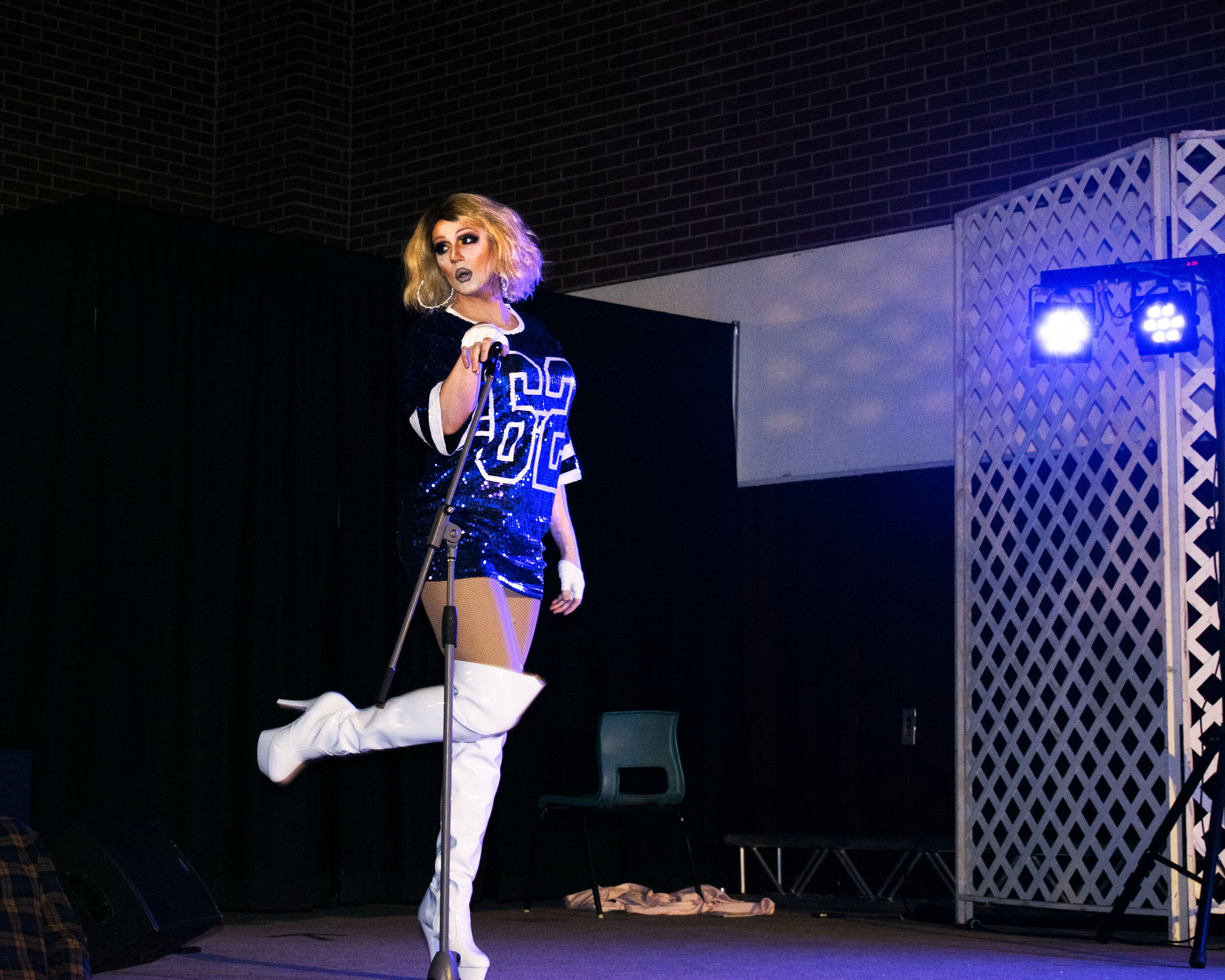
Priscilla: Queen of the Highlands is perhaps the most anticipated event on the StFX campus. The show, organized and produced by Dr. Chris Frazer (who some may also recognized as C. Leah Cruz or Joannie Cash), began in February 2005 when Frazer was appointed as 2SLGBTQ+ faculty advisor at StFX, following a number of incidents of homophobic assault on campus. Frazer, alongside Dr. Nancy Forestell and Dr. Clare Fawcett, was applying for a grant to facilitate a workshop centred around 2SLGBTQ+ experiences in rural areas, and needed to include an event. The group decided on a drag show, contacted the Imperial and Sovereign Court of Nova Scotia (similar to a rotary club for drag queens, Frazer explains), and put on a sold-out show in the KMC conference rooms.

This first show, Frazer claims, was “completely amateur,” relying on a Discman and a single set of speakers for music. However, over the past 15 years, the show has grown tremendously—transforming into a full production with professional light and sound, and moving from one conference room to two, and then to the bigger stage in the Bloomfield Centre MacKay room. Since the first show, Priscilla has raised thousands of dollars for X-Pride and other 2SLGBTQ+ focused organizations. “It’s always been a way of raising money and helping to create community,” shares Frazer. The show has played a big part in creating queer space in Antigonish, which Frazer says there “just isn’t much of.”

The show means a lot to a lot of people, including the performers. Jason Spurell, who performs as Rouge Fatale and has been part of Priscilla since the very beginning, shares that the audience at Priscilla is one of their favourites of all time. “The response, the happiness, the pride they have. Not a lot outweigh it.” In general, they note that rural crowds are most often more excited than urban ones, given that drag shows tend to decrease in frequency the further you get from a city-centre. One of Spurell’s favourite moments from the show was inviting their cousin (who used to attend StFX), up on stage— “I would bring her up on stage with me and get the whole audience to call her by her childhood nickname. She hate/loved it!”

Frazer says that Spurell’s sentiment is echoed by a number of other queens as well: “It’s their favourite show.” In fact, legend has it that Priscilla always coincides with the night that Antigonish gets its biggest storm or blizzard of the year—but the queens, and the audience, never seem bothered by the harsh weather. “There have been times where we were probably the only thing open in Antigonish—which we shouldn’t have been—and the queens had no business driving down from Halifax, but they did anyway. It says a lot about the show.”

Photos by Adelaide Strickland

While the show has only grown more and more successful, they’ve also run into difficulties financially. Tickets always sell out, yet the rising costs of space and security over the years have driven ticket prices up. Last year, for the first time, the show didn’t break even. “We’re not a money making venture, but it feels like we’re being forced to move that way,” says Frazer. “I’m really resisting that, because that’s not the point of the show … It has to be accessible, financially and physically.” Despite struggle, however, support from the community is keeping things going. Frazer recognized Impact Sound as a key supporter; the company has consistently provided a discount for their services, given the charitable nature of the show. The audience, of course, also plays a big role in the show’s continued success.

There are a number of ways that students and community members can get involved with and support the show. Ticket sales, according to Frazer, are always a good time— “it’s really rewarding to see the enthusiasm for that show build up as the tickets start to sell.” Proceeds from ticket sales and donations made at the show this year will be directed to Rainbow Railroad, an organization helping 2SLGBTQ+ refugees escape persecution and violence. Organizers are looking for support selling tickets in advance and at the door, as well as with the set-up and break-down of the production. Frazer also encourages people to think about performing— “it’s always been a part of our tradition that we encourage people to get on the stage” —in drag, or out of drag. The show welcomes Kings, Queens, genderfuck performers, burlesque performers, and pretty much anyone looking for a moment in the spotlight. Of course, for those who may not be all that keen on getting on stage, one of the best ways to support the show is to buy a ticket, and show up. “Just come, be yourself, and be fabulous,” says Frazer.

This year, Priscilla will be held on January 31st in the MacKay room. Tickets will be on sale starting January 22 at the X-Pride table in the Bloomfield lobby, and will cost $12 in advance, $15 at the door. Anyone looking to get involved in the show should contact Chris Frazer either in person or via email at cfrazer@stfx.ca.

Priscilla is part of X-Pride’s Pride Month at StFX. Other events include Amateur Drag Night, a sex-ed workshop by Venus Envy, a queer music night at the Inn, Sex Toy Bingo, and Rainbow Party. Details for these events can be found on Instagram @xpridesociety or on facebook in the X-Pride 2019-20 group.


Amherst Wrens

Amherst, in Spring the wrens

Gather together in this place,

Dear Aunt Jane used to point them out

Simple things made her happy,

Though she had not a tooth in her face!

We’d leave Dundonald Street

And walk down Hickman,

‘til we got to Victoria Street

It was all very peaceful then!

We’d go to buy bread

Can milk and cookies,

At a store called Margolian’s

We’d also buy goodies!

When we got home we’d have some tea

With six spoons of sugar just for me,

My aunt was 80 and I was 10,

I remember it was a wonderful time when

The wrens would gather in this place

And my aunt had a toothless but benevolent face!