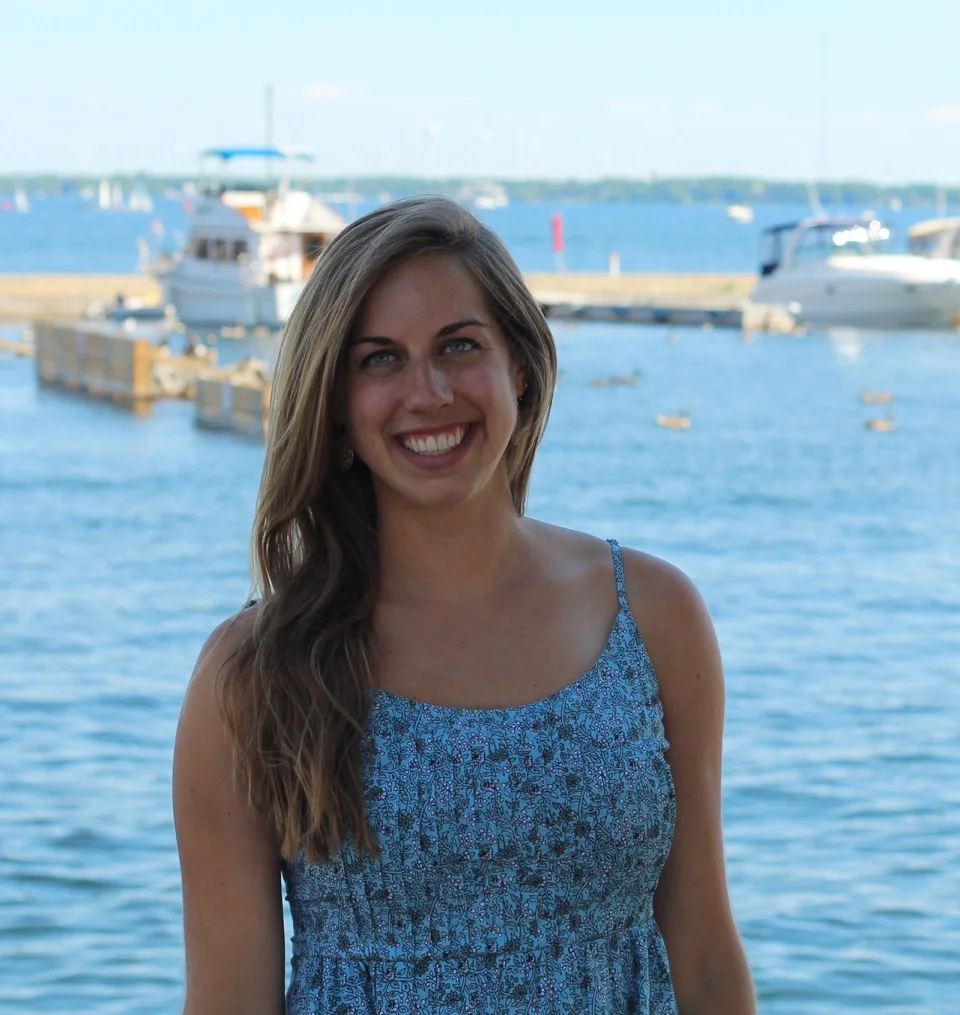
Enactus StFX uses garden to help students
/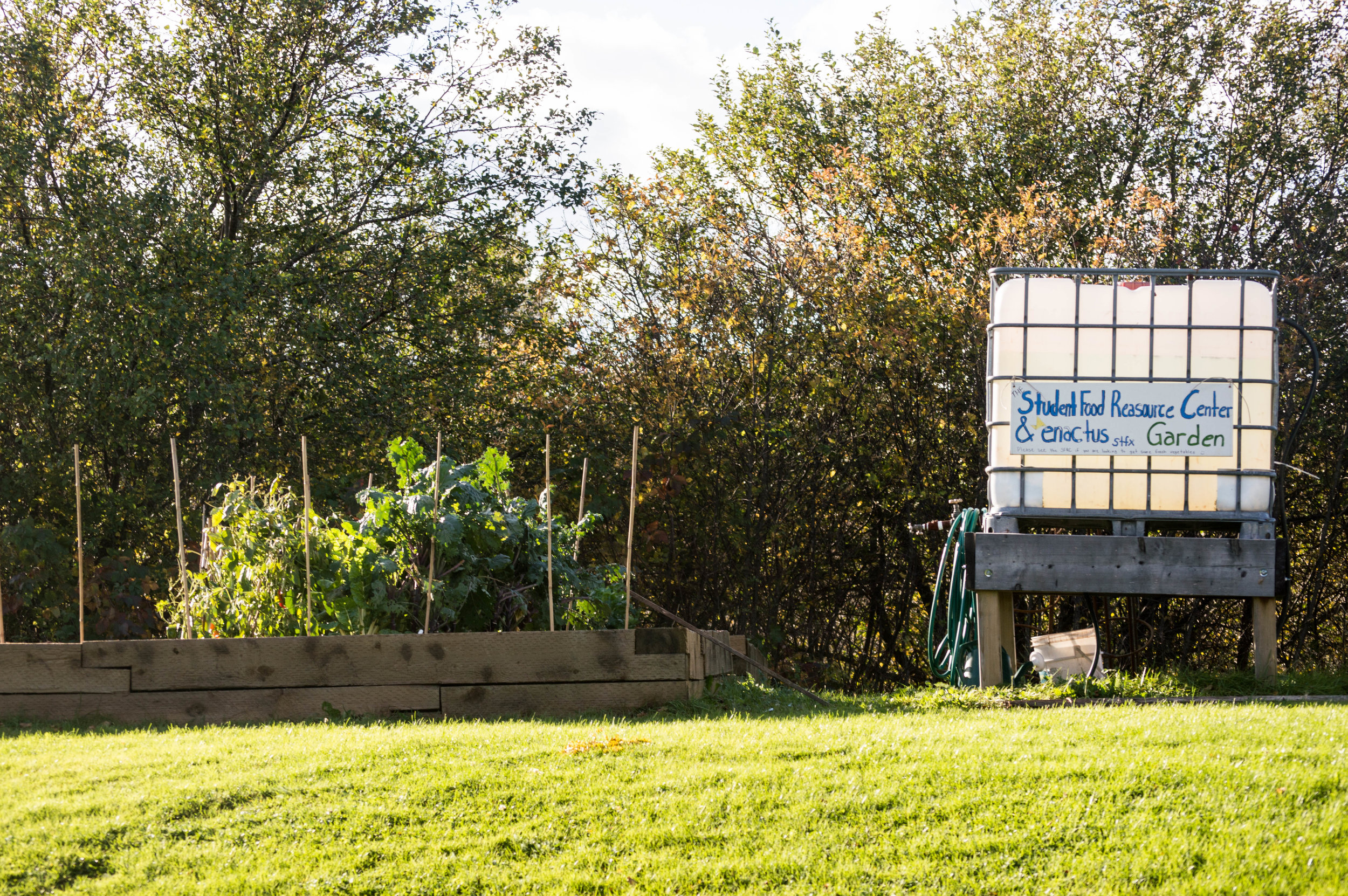
Enactus StFX has been working hard to provide fresh produce to the Student Food Resource Centre.
Read MoreStFX's official source for student news since 1895
Enactus StFX has been working hard to provide fresh produce to the Student Food Resource Centre.
Read MoreStFX's new Sexual Violence Policy is scheduled to launch the week of October 31st. It will not only provide a document where people can find information about resources and options available for victims/ survivors, but will also encourage victims to step forward.
The university felt the need to move forward with this policy as "sexual violence is one of the biggest issues of concern in society today, including on university and college campuses," according to Margie McKinnon, Director of Health, Counselling and Accessible Learning here at StFX.
Sexual assault on university campuses is a rising problem. Statistics show that among undergraduate students, 23.1% of females and 5.4% of males experience rape or sexual assault through physical force, violence, or incapacitation. Only 20% of female victims report their assault to law enforcement.
"The policy clearly outlines our response to both 'disclosures' and 'reports' of sexual violence involving students," says McKinnon. The policy also includes information and guidance for the people who are trying to support the students who have survived sexual violence. In addition to this, the policy ties in closely with the Community Code of Conduct, which outlines the University's process for responding to reports of sexual violence involving students.
The policy was approved by the President and the President's Council a few weeks ago and will be formally launched next week. In addition, McKinnon is hoping a lot of students will attend a screening of "The Hunting Ground" on Wednesday, November 2nd, which will be followed by a panel discussion/Q+A with the audience, members of the Sexual Violence Policy Implementation Committee, and student leaders. This will provide more clarity if there are any questions about the new Sexual Violence Policy.
The policy has taken many years and the hard work of many people to be enacted. Many different perspectives are being represented, including StFX students, staff and faculty members and community partners; it has been a hugely collaborative effort. McKinnon says, "Our campus is already engaged in many activities focused on preventing sexual violence, and now that our new policy has been approved we're looking forward to continuing this important work, through public education, bystander intervention, and a policy that will be a valuable resource for our community members."
It is important to stop sexual violence on campus and make sure each member of this community feels safe and respected; we must all work together to put an end to sexual violence at StFX.
Improved relations between MacPherson and MacDonald pay off.
Read MoreThe $60-million project will be completed by late 2018.
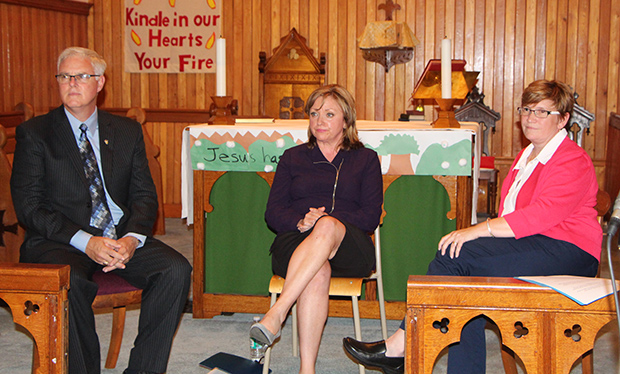
Read MoreIndigenization committee will make recommendations on improving the university's indigenous studies curriculum.
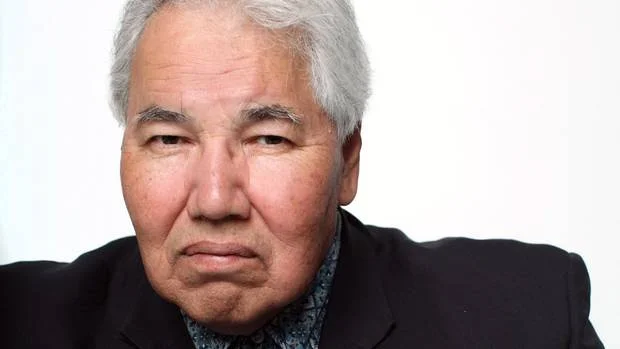
Read MoreChair of the Truth and Reconciliation Commission will address the importance of reconciliation on campus.
Read MoreDiscussion topics included BurMac, town relations, and noise-bylaws
Read MoreLet's walk together to promote Peace for Syria
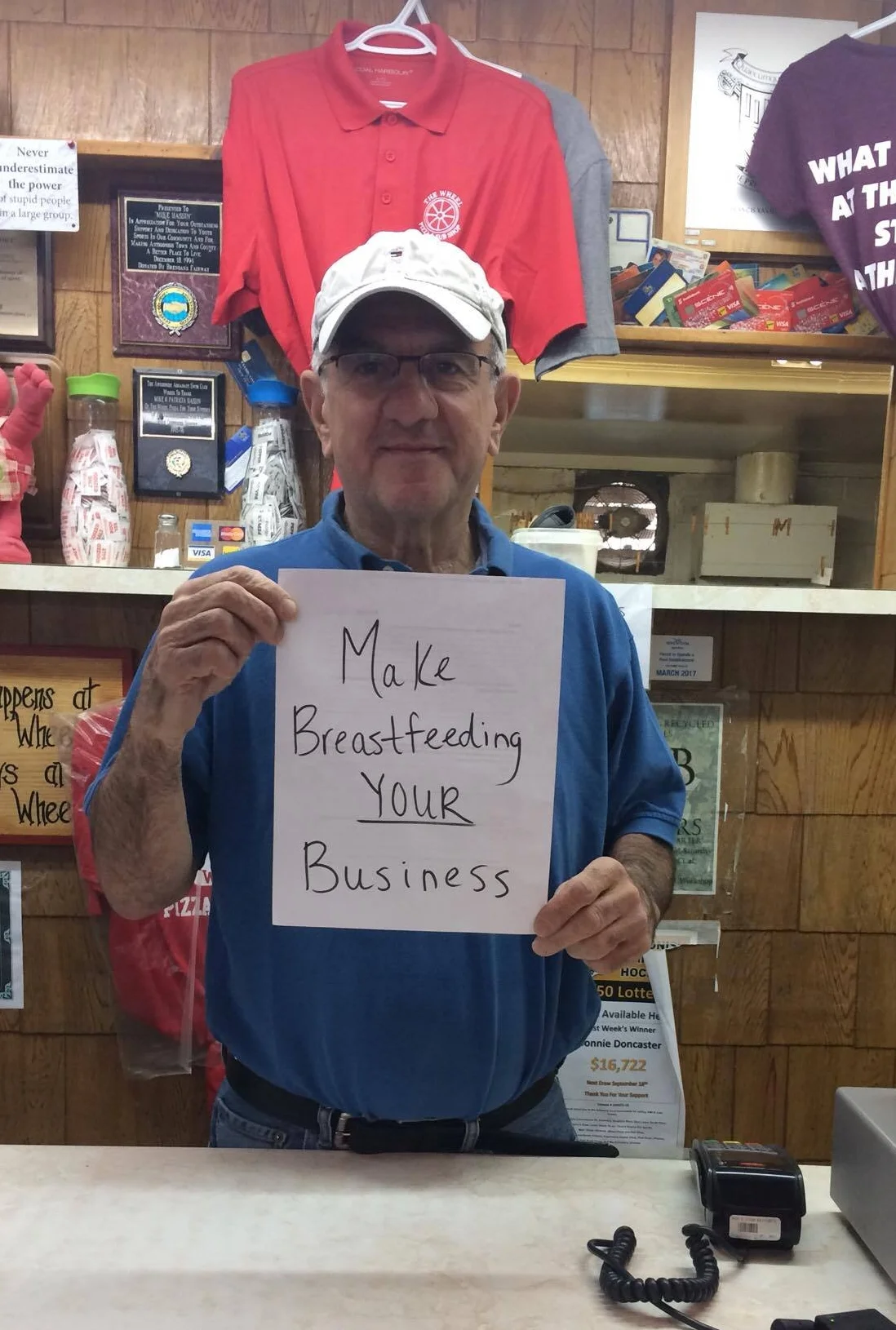
Read MoreLocal business strive to end the negative stigma around breastfeeding
Read More"You have the right to #peeinpeace."
Read More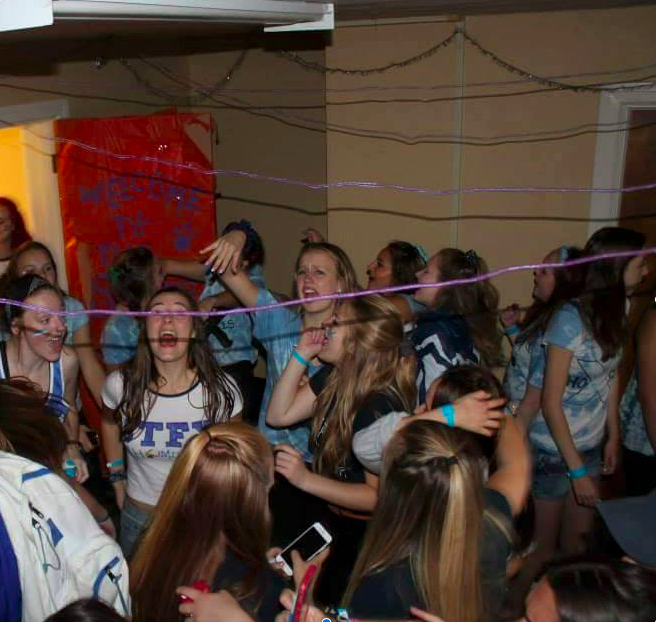
residents get rowdy at Homecoming 2015 - photo: mikaela Jahrig
Homecoming is a weekend celebrated by many. Over a thousand StFX graduates return to campus every year, to catch up with old friends and see the changes that both the university and Antigonish have gone through since they received their X-Rings and walked the campus as undergrads. Current students see the weekend as a reason for celebration, and there are parties and community events back to back for the entirety of the three days. Saturday brings the crowd to the StFX field where, this year, the X-Men will kick off against the Saint Mary’s Huskies at 2pm for one of the biggest games of the season. Students come dressed in blue and white, with signs and face paint ready for a day hyped up with school spirit.
For many years, current students living in residence had the opportunity to sign in friends coming from different universities to join in the celebrations. The minute the sign-up opened, Resident Assistants (RA’s) and House Directors (HD’s) were bombarded with residents attempting to get their friends name on the coveted list. Once the weekend rolled around, bracelets were handed out and only those with the right coloured bracelet would be allowed into the corresponding residence. However, this year, the university has decided that guests are no longer welcome for Homecoming.
Bob Hale, Head of Student Services, states, “We have historically had a lot of damage by guests in the residences and we are trying to minimize it this year. There are lots of events to celebrate Homecoming, so honestly, I do not believe it will take away from the celebrations." Just last year, Homecoming resulted in thousands of dollars of damages in most residences, with broken ceiling tiles, holes punched in walls, and overall disregard for school property. Therefore, it seems logical that the university decided to ban guests completely, although students are certainly not happy with the decision.
Applications for Residence Assistants (RAs) were open much longer than normal last year, and Residence Life seemed desperate to get enough students willing to step up and man the halls of residences. This year, staff is extremely tight and many are working more than they had expected to be. Homecoming, especially when guests are welcome, is a stressful time for Res Life staff as RAs are posted at every doorway checking bracelets in each and every residence, not to mention dealing with conflict brought on by drunk, excitable students. RAs were reluctant to work in some residences, subsequently leaving them short staffed. Therefore, the decision to ban students from other universities appears to have also been brought on by the lack of staff to control situations that may arise.
Although many current students have expressed resentment towards the no guest policy, Homecoming is certainly a weekend catered to the returning alumnus, with campus tours, a Welcome Home dinner, and the President’s Reception and Golden Grad Dinner - this year honoring the Class of 1966 on the fifty-year anniversary of their graduation. Students and the university are still optimistic that Homecoming will go smoothly, provided weather is cooperative.
MacNeil HP and VP temporarily relocated from residence
Read MoreElizabeth Gushue and Iain MacLellan compete for Frosh Councillor position.
Read MoreThis Friday, September 16th, Central Nova MP Sean Fraser will be hosting a Town Hall session for StFX students.
Read MoreGetting to know this year's elected representatives sitting on the Students' Union Council.
Read MoreMacPherson House now occupying bottom two floors of MacDonald.
Read MoreAll Net Profits to go to the StFX Xaverian Fund for Scholarships and Bursaries for Students
Read MoreThe Golden X Inn now offers lunch on Fridays.
Read More
There will soon be a new policy regarding sexual assault and sexual violence at StFX. In response to concerns about sexual assault, the university administration is proposing a new framework to define sexual assault and sexual violence and to lay out the steps that ought to be taken to respond to these cases. This new policy has been the subject of consultations with faculty and staff, and some faculty have indicated concern about the policy, including philosophy professor Christopher Byrne.
In an email circulated to all faculty, Dr. Byrne outlined his concerns with the policy. He particularly takes issue with the proposed definitions of sexual violence, which he finds far too broad. For example, part of the definition of sexual violence in the new policy reads, “Acts of sexual violence include: unwanted sexual comments or advances; coercion of another person’s sexuality by physical or psychological intimidation; and/or the denial of another person’s sexual decision-making rights.”
As Dr. Byrne writes, “The way in which the new policy defines sexual violen [...] creates a problem: sexual violence will now be defined so broadly that the type of behaviour henceforth subject to punishment will be expanded enormously, far beyond what would normally be considered to be acts of sexual violence. Some of the types of behaviour that would now count as sexual violence sound rather odd; for example, it is hard to see how sexual violence should include the denial of another person’s sexual decision-making rights (this phrase seems to suggest that we are guilty of sexual violence if we deny someone else’s request for sexual favours).”
He also questions the need for this new policy, considering that numerous policies already exist to govern the issue of sexual assault. “We already have several policies on this matter, which collectively govern the conduct of all StFX students, faculty, and staff. Why, then, do we need yet another policy on sexual assault? Why don’t we just enforce the many policies that we already have?”
Dr. Byrne claims that there are issues with clarity in the policy, which makes it challenging to figure out what exactly constitutes sexual assault under these new rules. “In part, the new definition of sexual assault is rather obscure; violating someone else’s ‘sexual integrity’ is henceforth to be considered sexual assault, but no light is shed on just what ‘sexual integrity’ is. Most important, among the many types of behaviour that will now count as sexual assault is exercising ‘control’ in such a way as to make someone else feel uncomfortable. In other words, doing anything that would make someone else uncomfortable is now to be considered an act of sexual assault and, therefore, sexual violence.”
In a interview with the Xaverian, Dr. Byrne expanded on this point. This new definition of sexual assault is significantly broader than the criminal code definition. According to the professor, this is a concern for students because of “the notion that if you leave StFX with a conviction of sexual assault, people are going to think of the criminal code definition of sexual assault.”
Dr. Byrne explains that the StFX administration recently informed the faculty that these new rules will only apply to students. “This is more of an issue for students; if what we were told on Wednesday [during consultations with staff] is correct, it won’t apply to faculty and staff.”
The Xaverian also reached out to Women’s and Gender studies professor Rachel Hurst to hear her point of view. She is a member of the committee that helped design the new policy on sexual assault, and she addressed several potential criticisms of the new policy via email. In the email, Dr. Hurst explains what motivated her to seek a new sexual assault policy.
“Please note that I am not speaking on behalf of the committee, or even as a member of the committee, but rather as a concerned faculty member to whom students disclose sexual assaults, and have done so each year since I came in 2009. They have done this not only because they trust me, but because there has been a shameful lack of information and clear direction available to them on their options [after a sexual assault]. The primary purpose of the policy is to provide a resource and clear framework that spells out options for the students, who have been underserved for so long.”
Hurst defends the new definition of sexual violence, writing, “Regarding the argument that the definition of ‘sexual violence’ is too broad/vague: In constructing this policy, we have sought out national and international research and best policy practices related to sexualized violence prevention and definitions and approaches to disclosure, reporting, and community education. All of the definitions we have used and policy conclusions we have reached are drawn from policies that have been enacted at other progressive universities in North America, and in consultation with relevant policies at StFX (notably, the Community Code and the Discrimination and Harassment Policy). Part of the challenge, of course, is that in general it is difficult for some to recognize emotional and psychological violence as ‘real’.”
The first President’s Colloquium of 2016 was hosted in Lane Hall on Feb 2nd. The subject of the speech: the Syrian War and its resulting refugee crisis, which affects its surrounding countries and most of the European Union. The goal of the colloquium was to raise awareness of this large problem and get people involved in the issue, and it also aimed to promote a positive view on the integration of refugees into Canadian Society.
Tareq Hudhud speaks about his experiences as a Syrian Refugee. Photo - Dylan Lawrence
Even though a residence may seem like an odd place to host such an event, the Pit served its purpose well and was filled to capacity. The opening speech was given by Dr. Kent MacDonald, the President of StFX. Dr. MacDonald opening with the importance of the discussion, recognizing the importance of SAFE (the Syrian-Antigonish Families Embrace), and the opening of the committee StFX for SAFE, run by Benjamin McGrath.
MacDonald praised the work of SAFE, saying, “This movement, this outreach behind our university and community, is what really makes StFX strong [and] unique”.
He went on to introduce the key speakers of the event, such as Tareq Hadhad and his family, the first Syrian refuges who have been settled in the Antigonish area, quoting Hadhad’s story as “an amazing tale of survival, and one of great humanitarian crisis that is perhaps even worse today than it was last month.” Another person of interest who opened Mr. Hadhad’s speech following Dr. Kent MacDonald’s introduction was Dr. Joseph Khoury. The StFX English Professor was actually a refugee himself, hailing from Lebanon.
Khoury introduced Hadhad’s story by putting the refugee crisis in statistical perspective. “Syria is not a huge country. In 2013, it had the population of 22 million. That’s 22 times the population of Nova Scotia on a country that is only three times our size…and about half that population are now refugees. Of those, six million have fled Syria and six million are internally displaced…320 thousand people have been killed, or to put that into perspective, about 1 200 people a week. Of those killed, over 120 thousand are children, and 1.5 million have been wounded or permanently disabled.” He continued, drawing light on the size and scale of the refuge crisis, saying, “Six million - that’s six times the population of Nova Scotia - are without home, without food, water, medicine, or heat for the cold. The majority of these poor souls are women and children - in fact, about one half are children.” He went on to mention his past struggles as a refugee, and his escape to Canada. “We escaped, and were welcomed by the wonderful people of Ottawa, and we remain grateful.”
Tareq Hadhad took the floor afterwards, explaining his story. A young man, only 23, he was finishing his education in the field of Medicine at the University of Damascus when the war started. He explained the impact of the war on his city, and his home in the southern suburbs of Damascus. “Our whole family lived in one building. This is the Syrian kind of life. It was a peaceful life; everything was arranged to be a bright future for us all.” He continued with his perspective on the bombing of his University, which happened only three hours after his narrow escape back to the place where he grew up, and the terror he experienced, saying, “Thoughts of leaving Syria started when I came back from university...a rocket hit near us. This was the most danger me and my brother faced.” Though luckily neither Hudhud nor his brother were injured in the attack, it was a close call - one that was enough to convince him and his family to depart for Lebanon, where they would spend over a year before being accepted into Canada. As it is illegal to be a refugee in Lebanon, each day was dangerous and conditions in the camp where they stayed were poor. “The victims of Syria are those who are still there, who face the hardest of conditions,” he finished. Yet despite the adversity, Hadhad displayed a great sense of humour, and his English was quite refined for only having spent little over a month and a half in the country.
The final part of the Colloquium emphasized the importance of action, with the overall theme of the evening being one of narrow escape and hope for humanity. “There is nothing truer than helping another human being,” Dr. Khoury said.
Those who pass by Governors Hall and Somers and Powers apartments will see that the telltale thermometer sitting on the island of grass in between the roads in and out of StFX now reads 30 thousand, with the actual number being “closer to 35”, according to Khoury. Dr. MacDonald personally put forward 5 000 dollars in StFX’s name, while Sylvia Phee of the Unifor Local 2107 mentioned the Union would also donate 5 000 dollars, with an additional 1 000 dollars from the local chapel.
Fundraising continues for SAFE and the Syrian Refugees, with the long term goal of raising $100 thousand and bringing two more refugee families to Antigonish